
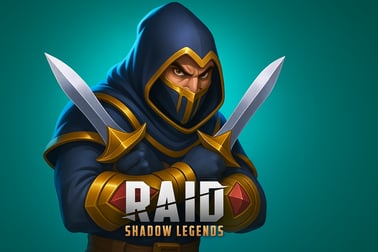
PvE Games, teamwork, tactics, and story-driven challenges
PvE Games put you and your allies against the environment, meaning smart enemies, tricky levels, and evolving objectives instead of unpredictable human opponents. Whether you love careful planning, quick reflexes, or relaxed co-op sessions, this category brings missions, raids, survival runs, and adventure scenarios that reward learning patterns, building strong loadouts, and playing your role. Expect satisfying progression, approachable difficulty curves, and plenty of moments where coordination turns a messy fight into a clean win.
Co-op PvE missions and objective-based play
Co-op PvE is the heart of many PvE Games because it turns every match into a shared plan. Objective-based missions often ask you to defend a point, escort a payload, retrieve items, or clear a map sector by sector, and each objective subtly teaches good habits: keeping sightlines, managing resources, and staying aware of teammates. The best mission-driven experiences use layered goals, so you can feel progress in short bursts while still building toward a larger payoff. If you are new to the genre, start with missions that clearly communicate enemy spawns and task priorities, then graduate to modes with multiple simultaneous objectives where roles matter more, like support, crowd control, scout, or damage. In browser-friendly PvE Games, you will often find quick matchmaking, drop-in co-op, and flexible difficulty options that let you focus on learning without pressure.
Dungeon crawlers and loot-focused progression
Dungeon-style PvE Games combine exploration with steady rewards, which makes them ideal for players who enjoy optimizing builds. As you push deeper, you will face tighter rooms, higher enemy density, and more mechanics that punish sloppy movement, so each new floor becomes a practical skill check. Loot progression is most satisfying when it is readable and meaningful, for example, when a new weapon changes your attack rhythm, a relic adds a new synergy, or a set bonus unlocks a different playstyle. To get the most value, prioritize a build theme early, such as critical hits, area control, healing, or mobility, then choose upgrades that reinforce that identity instead of chasing every shiny stat. Many PvE Games in this subgenre also feature roguelite elements, making each run fresh while still preserving long-term account progression.
Survival PvE, crafting, and base defense
Survival PvE Games are all about pressure management. You are balancing exploration, gathering, crafting, and defense while the world keeps pushing back through hunger timers, weather hazards, and escalating enemy waves. The loop stays engaging because every choice has a cost: crafting better gear takes time, building a safer base consumes resources, and roaming too far risks losing what you collected. A smart approach is to build redundancy, store backup tools, create simple escape routes, and craft items that improve consistency rather than only peak power. Base defense adds a strategic layer where placement matters, and the most reliable setups mix slowing effects, funneling paths, and a safe spot for repairs. If you prefer less stress, look for survival PvE Games with adjustable pacing, shorter night cycles, or friendly spawn rules that keep progress smooth.
Story-driven adventures and campaign PvE
Campaign-focused PvE Games shine when you want a clear sense of purpose. You get curated levels, memorable boss fights, and narrative momentum that makes each encounter feel like part of a journey rather than a random skirmish. Great campaign design teaches through play, introducing mechanics one at a time, then combining them into set pieces that reward attention and experimentation. A story adventure can still be highly replayable when it offers branching paths, optional challenges, collectibles, and multiple difficulty tiers that change enemy behaviors rather than only inflating numbers. If you are playing in a browser, campaigns are a great fit because you can progress in episodes, finish a chapter in a short session, and return later without losing context. This subgenre is also a strong gateway into wider PvE Games because it builds confidence with predictable pacing and clear feedback.
Boss rush, raids, and endgame PvE challenges
For players who love mastery, raids and boss-centric PvE Games deliver the most intense learning curve. Boss rush modes condense the experience into pure mechanics, meaning dodging patterns, timing windows, positional awareness, and damage phases. Raids add coordination requirements such as split teams, rotating responsibilities, callouts, and puzzle-like mechanics where one mistake can cascade into a wipe. The key to improving is to treat each attempt like a practice session: identify one mechanic to fix, track what caused the last failure, and adjust your positioning or loadout accordingly. Endgame content often rewards specialization, so it helps to understand your role, bring tools that solve specific problems, and communicate clearly. Even if you only have a few minutes, many PvE Games offer scaled-down raid encounters or boss practice modes that make progression feel achievable.
PvE Games are at their best when they match your mood, sometimes you want a cozy co-op mission, other times you want a high-skill boss fight. Explore the category, try a few subgenres, and keep what feels fun. Many titles play smoothly in-browser, so you can jump into a mission, test a build, or run a quick dungeon without long installs. Pick your pace, learn the patterns, and enjoy the teamwork and progression.
FAQs about PvE Games
What are the best beginner tips for PvE Games?
Start by learning enemy patterns and prioritizing survival over damage. Use cover, keep your health topped up, and focus on objectives. In co-op, stay near teammates, share resources, and call out threats so the team can respond fast.
Can I play PvE Games on mobile and tablet devices?
Many PvE Games are optimized for mobile browsers and touch controls, especially mission-based and campaign titles. For the smoothest experience, close background apps, use a stable connection, and consider a device with at least 3GB RAM for more effects-heavy games.
Are PvE Games suitable for kids and families?
Yes, a large portion of PvE Games are family-friendly, especially adventure, puzzle, and light co-op titles. Check the game details for theme and difficulty, and choose modes with adjustable settings so younger players can learn at a comfortable pace.
How can I improve performance and reduce lag in PvE Games?
Lower visual settings like shadows and particle effects, reduce resolution if available, and play in a modern browser. A wired or strong Wi-Fi connection helps for co-op, and clearing cache can improve stability in longer sessions.
PvE vs PvP, which should I choose if I want relaxed gameplay?
PvE is usually the more relaxed choice because you can learn predictable patterns and progress at your own pace, especially in campaigns and co-op missions. PvP can be exciting, but it often demands faster adaptation to human opponents and can feel more intense.