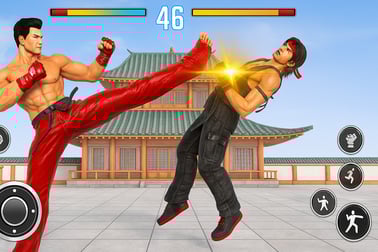
Streets Of Rage lets you brawl through neon city streets with retro-inspired visuals, tight combat, and co-op action. Jump in and clean up the city.

















Streets Of Rage
Introduction to Streets Of Rage
Streets Of Rage is one of the most iconic side scrolling brawler games ever made, blending retro beat em up action with fast, arcade style combat. First launched in the 1990s, the series is famous for its neon city streets, unforgettable electronic soundtrack, and tight co-op gameplay that lets friends clean up crime side by side. Modern versions keep the spirit of the originals but update everything with crisp hand drawn fighting game visuals, smoother combos, and flexible difficulty options.
In this browser-friendly overview, you'll learn how Streets Of Rage plays, what makes its combat so satisfying, and why it still stands out compared to newer action titles. Whether you're a longtime fan revisiting a classic or a newcomer curious about old-school brawlers, this guide will walk you through the basics, from controls and characters to modes, tips, and more.
The series is all about walking to the right and destroying everything in your path. But underneath that simple premise, there's a surprisingly deep combat engine, rewarding co-op teamwork, and a nostalgic mix of pixel characters, crunchy sound effects, and driving music that defines the retro beat em up genre.
Streets Of Rage Gameplay: Classic Beat ’Em Up Reborn
Streets Of Rage is a retro beat em up at heart. You move through linear stages in a side view, fighting waves of enemies with punches, kicks, throws, and special moves. While the premise is straightforward, the challenge comes from positioning, crowd control, and learning how to handle different enemy types.
Combat feels like an arcade style combat experience. Stages are broken into short segments, each tossing different groups of thugs, weapon users, and bosses at you. You'll dodge attacks, juggle enemies in the air, and decide when to spend health on powerful specials that clear space around you.
Most versions of Streets Of Rage give you:
- A dedicated attack button for basic combos
- A jump button for aerial attacks and evasive moves
- A special attack or star move that deals big damage or crowd control
- A grab or throw mechanic to toss enemies into each other or off-screen
What makes it feel "reborn" today is how smoothly it blends old-school design with modern polish. You still get that classic side scrolling brawler pacing, but with:
- More responsive controls
- Expanded combos and juggle potential
- Extra difficulty settings and modes
- Support for local co op action game play with friends
Every punch connects with a satisfying hit spark, every combo sends enemies flying, and you're constantly encouraged to push your skills further and keep enemies locked down before they can overwhelm you.
Streets Of Rage Control Guide
While exact button layouts can vary by platform or browser setup, the core control scheme for Streets Of Rage stays very similar across editions. The idea is to keep inputs simple so you can focus on timing and positioning rather than complicated commands.
Typical Keyboard Layout (Browser or PC)
- Arrow keys / WASD – Move your character (up, down, left, right)
- Attack key – Perform basic punches or kicks; tap repeatedly for auto-combos
- Jump key – Jump, jump attacks, and cross-up moves
- Special key – Use character-specific special moves (may cost health or a meter)
- Pick Up / Attack – Same key usually picks up weapons or items when standing over them
- Pause / Options – Open menu, adjust settings, or quit to the main screen
Many browser-based setups allow you to remap keys so you can match your favorite layout from older consoles or arcade cabinets.
Typical Gamepad Layout
- D-pad / Left Stick – Movement and diagonal positioning
- Face button 1 – Attack / combo
- Face button 2 – Jump
- Face button 3 – Special / star move
- Face button 4 – Pick up, interact, or alternative attack (depending on version)
- Shoulder buttons – Sometimes mapped to special moves, assist calls, or shortcuts
Because Streets Of Rage plays like a traditional side scrolling brawler, precise diagonals and quick taps matter more than complex inputs. If you struggle to land combos or throws, switch to a control method that feels more comfortable—usually a controller for most players, especially in co-op.
Movement & Positioning Basics
Unlike pure 2D fighters where you only move left or right, Streets Of Rage lets you move up and down the plane, too. This is crucial for staying safe:
- Step diagonally to slip past enemy charges.
- Line up enemies on a single axis for sweeping attacks.
- Use the vertical plane to circle around bosses or groups instead of blocking.
Mastering this pseudo-3D movement is one of the biggest differences between average and advanced players in any retro beat em up.
Objectives & Win Conditions
Streets Of Rage keeps its objectives simple but demanding, just like arcade classics. Every stage has a clear main goal: defeat all enemies and survive to the end of the level. As you progress, you face tougher enemies, trickier hazards, and multi-phase bosses.
Main Objectives
- Clear each stage by defeating all waves of enemies.
- Beat the stage boss to unlock the next area of the city.
- Preserve lives and continues by avoiding unnecessary damage.
- Score high by chaining combos, avoiding hits, and using advanced techniques.
Lose all your lives and continues, and it's game over. Some versions include level select or saves, but the original design encourages you to improve run by run, like a classic arcade cabinet.
Optional Goals and Challenges
- High Score Hunting – Maximize your score by juggling enemies, avoiding damage, and finishing stages with lives and specials intact.
- Co-Op Mastery – Coordinate with friends in a local co op action game setting, sharing food items and specials efficiently.
- Harder Difficulties – Many versions offer tougher modes that add more enemies, increase aggression, or reduce player lives.
- Unlockables & Extras – In modern ports, you may unlock extra characters, retro modes, or visual filters by meeting certain conditions.
Like most retro beat em ups, "winning" Streets Of Rage is about both finishing the story and mastering the combat so you can clear it on higher settings, ideally with a friend on the couch.
Streets Of Rage Gameplay: Playable Heroes, Moves, and Combos
One of the biggest draws of Streets Of Rage is its diverse cast of heroes. Across different entries, you'll recognize names like Axel Stone, Blaze Fielding, Adam Hunter, and newcomers in later games. Each character has unique stats, move sets, and combo routes that change how you approach fights.
Common Character Archetypes
- Balanced Brawlers – Characters with solid power, speed, and range, ideal for beginners. They excel at straightforward offense and simple combos.
- Powerhouses – Slower heroes with massive damage and long reach. Their attacks often have armor or big hitboxes but punish missed inputs.
- Speedsters – Fast, agile fighters with lower health. They build combos quickly and dodge easily but can't afford mistakes.
- Utility / Hybrid Types – Heroes with unique tools, like projectile-like attacks, grapples, or self-buffs, catering to experienced players.
Basic Moves & Combos
Most fighters in Streets Of Rage share a common move language:
- Standard Combo – Repeatedly pressing attack strings a series of hits ending in a knockdown or launch.
- Jump Attack – Aerial hit to approach safely, especially versus enemies holding knives or weapons.
- Running Attack (in newer entries) – A gap-closer that lets you rush in and start pressure.
- Grab & Throw – Walk into an enemy to grab them, then press attack or a direction to throw them into other foes.
- Back Attack – A quick move to hit enemies behind you without turning around.
- Special Attacks – High-damage or invincible moves that break enemy pressure. Some cost health, while others use a special meter or "star" resource.
This combination of simple inputs and varied effects gives Streets Of Rage the feel of a hand drawn fighting game inside a scrolling level. The moves are easy to learn, but combining them effectively under pressure is where skill shows.
Advanced Combat Techniques
- Juggling – Launch enemies into the air and follow up with extra hits before they land for big damage and score bonuses.
- Corner Pressure – Pin foes at the edge of the screen to minimize escape routes and maximize combo time.
- Weapon Integration – Use pipes, knives, bats, and other pick-ups to extend combos or control space.
- Special Canceling – Link a special move after a combo finisher to stay safe or squeeze in extra damage.
Once you're comfortable, experiment with different heroes. Every character turns the same side scrolling brawler stages into a fresh challenge, with new routes and different risks to manage.
Game Modes, Levels, and Local Co‑Op Explained
Streets Of Rage thrives as both a solo and local co op action game. Depending on the version you're playing, you'll usually see a core Story or Arcade mode plus a few variations for replay value.
Common Game Modes
- Story / Main Game – Play through the narrative stages in order, facing bosses and cutscenes along the way.
- Arcade Mode – A more hardcore take, giving you limited lives and continues to clear the entire game in one run.
- Boss Rush or Survival (in some modern versions) – Focused challenges where you fight bosses or waves back-to-back.
- Training / Practice – Learn combos, test moves, and understand enemy behaviors in a safe environment.
Stage Design and Progression
Every Streets Of Rage entry takes you on a tour of a crime-ridden city, with stages like:
- City streets and alleyways filled with basic thugs
- Bars, rooftops, and subways with environmental hazards
- Industrial zones or cargo areas with pits and traps
- Neon-lit districts with tougher, more varied enemies
- Final strongholds where bosses throw everything at you
Each level introduces new patterns: enemies that throw projectiles, bosses that require bait-and-punish tactics, and hazards like fire, pits, or moving vehicles. Because it's a retro beat em up, memorizing these patterns and adapting to new threats is a big part of the fun.
Local Co‑Op Play
Streets Of Rage is built for couch play, and co-op changes how the game feels:
- Share the Screen – Up to two or more players (depending on version) share the same screen and health pickups.
- Team Strategies – One player can focus on crowd control while the other targets priority threats or bosses.
- Friendly Fire Options – Some modes let you turn friendly fire on or off, adding either chaos or safety.
- Combo Synergy – Use throws and launchers to pass enemies between players for stylish team juggles.
If you enjoy classic arcade style combat experiences with friends, co-op is the best way to experience Streets Of Rage. Just remember to communicate: nothing stings like a partner accidentally grabbing your healing item before a boss.
Retro Content: Pixel Characters, Old-School Music, and FX
A huge part of Streets Of Rage's appeal is its presentation. The series bridges the gap between pixel art nostalgia and modern hand drawn fighting game aesthetics, often letting you blend or swap styles on the fly.
Pixel Characters & Visual Modes
Many modern editions include:
- Retro Character Skins – Unlockable pixel versions of heroes from earlier games, complete with their classic animations.
- Old-School Filters – CRT-like scanlines, pixel smoothing, or "retro" display options to mimic older TVs.
- Retro Enemies & Stages – Hidden areas or bonus levels taken directly from original games.
This blend turns Streets Of Rage into a playable museum of the beat 'em up era, perfect for fans of classic arcade cabinets and 16-bit consoles.
Music & Sound Effects
Streets Of Rage is almost as famous for its soundtrack as its combat. The series features:
- Electronic and dance-inspired tracks that define the mood of each stage.
- Retro chiptune options in some versions, letting you switch to original soundtracks.
- Punchy, crunchy SFX – Every hit, throw, and weapon swing has weight and clarity.
That combination of old-school music and modern mixing makes fights feel intense and rhythmic. The audio feedback also helps you react—distinct sounds tell you when you've landed a clean combo, taken damage, or triggered a special.
Where to Play Streets Of Rage
Streets Of Rage has appeared on multiple generations of hardware, from classic consoles to modern PCs and mobile devices. Today, you can experience this side scrolling brawler on:
- PC and Browser – Play via modern releases or browser-based adaptations that run in a window without extra installs.
- Consoles – Available on major current and past consoles, often with support for local and online co-op.
- Mobile Devices – Select entries and ports can be purchased on app stores, offering touch controls or gamepad support.
For the best experience, use a device that supports a controller, especially if you plan to dive deep into combos or play long co-op sessions. A stable internet connection is usually necessary for web-based play, particularly if your platform streams the game rather than running it fully locally.
Can I Play Streets Of Rage Offline?
Offline availability depends on the version you're using:
- Downloaded PC / Console Versions – Once installed and activated (if required), most versions can be played offline for solo and local co-op modes.
- Browser-Based Play – Typically requires an active internet connection, since the game is either streamed or loaded from the web each session.
- Mobile Editions – Often support offline play after the initial download, though leaderboards or online multiplayer (if offered) will still need a connection.
Streets Of Rage is designed around local co-op, so offline play is a natural fit. If your main goal is couch multiplayer, choose a version that clearly supports offline modes and multiple controllers on the same device.
Tips for New Players: How to Clean Up the Streets
If you're new to Streets Of Rage—or to retro beat em up games in general—these tips will help you survive longer and enjoy the combat system more.
1. Keep Moving on the Vertical Axis
Don't just walk left and right. Step up and down to "slip" through attacks, reposition around groups, and line enemies up in a straight line so your attacks hit multiple foes at once.
2. Learn When to Use Specials
Special moves can save your life, especially when you're surrounded. Use them:
- To interrupt enemy combos
- When you're cornered or about to be grabbed
- To quickly finish off a dangerous boss phase
In some versions, specials cost a bit of health. Treat that like a resource: losing a small chunk is better than losing a full life.
3. Prioritize Threatening Enemies
Not every enemy is equal. Take out:
- Knife users and fast rushers first
- Enemies with long-range grabs or slides
- Support foes that throw projectiles or buff others
Leaving these on-screen makes every fight more dangerous than it needs to be.
4. Share Resources in Co‑Op
In local co op action game sessions, communicate with your partner:
- Decide who needs food items the most.
- Call out who's grabbing weapons to avoid confusion.
- Coordinate specials so you don't waste multiple at once.
Good cooperation can make even the toughest stages feel manageable.
5. Practice Safe Combos
Flashy juggles look cool, but they're risky while you're learning. Start with basic, consistent combos that end in a knockdown, then back away and reset. As you gain confidence, add more hits and weapon extensions.
With a bit of practice, you'll find that Streets Of Rage delivers exactly what retro beat em up fans love: tight, arcade style combat, satisfying co-op play, and a timeless mix of pixel and hand-drawn action that makes every trip through the city streets worth repeating.
Frequently Asked Questions
What kind of game is Streets Of Rage?
Streets Of Rage is a side-scrolling beat ’em up where you fight waves of enemies using punches, kicks, throws, and special moves across multiple stages.
Can I play Streets Of Rage with friends?
Yes. Streets Of Rage supports local co-op, letting you team up on the same screen to clear stages and share combos against enemies.
Is Streets Of Rage family-friendly?
The game features cartoon-style fighting and mild language. It’s generally suitable for teens and older kids, but parents should review the age rating first.
Do I need to know the older Streets Of Rage games?
No. You can enjoy this Streets Of Rage entry on its own. Familiar characters and references are a bonus for longtime fans, but not required.
Does Streets Of Rage have different difficulty levels?
Yes. Streets Of Rage offers multiple difficulty options, so new players can learn the basics while experienced brawlers can choose a tougher challenge.