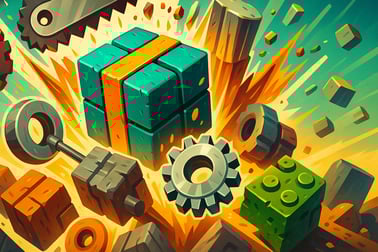
Ludus is a tactical PvP arena game with real-time strategy, gladiator combat, and hero merging. Build your team, duel players, and climb the ranks.

















Ludus
Introduction to Ludus
Ludus is a fast-paced real time PvP strategy game that drops you straight into intense gladiator arena combat. You build a team of heroes, merge and upgrade units in the heat of battle, and outplay live opponents in tactical card battles. Every duel is short, tense, and full of split-second decisions that can turn the entire match around.
Instead of relying on complex controls, Ludus focuses on smart planning, card synergy, and timing. You’ll collect and upgrade a roster of gladiators and spells, experiment with powerful merge arena battle combos, and push up the global leaderboards. Whether you enjoy min-maxing decks or just want quick competitive matches, Ludus offers plenty to learn and master.
The game blends elements of card battlers, auto-chess, and classic arena PvP. You can dive into solo missions, clan events, and competitive coliseum fights, earning rewards to strengthen your squad. Over time, you’ll refine your lineup, optimize your strategies, and discover which team compositions dominate the current meta.
How to Play Ludus
At its core, Ludus is all about building a strong deck, merging units efficiently, and reacting to your opponent’s moves in real time. Matches play out on a compact arena board where your gladiators and their units automatically fight once they’re deployed. Your job is to choose which cards to play, when to merge them, and how to adapt as the battle unfolds.
Here’s how a typical match works from start to finish:
- Build or choose a deck
Before you queue for PvP or a mission, you select a deck made up of gladiators, units, and spells. Each card has a specific role—damage, defense, support, or control. A balanced deck usually includes:
- 1–2 main damage dealers
- 1 frontline tank or protector
- 1–2 support or crowd-control units
- Utility or burst spells for emergencies
- Enter the match and generate resources
When the battle starts, you’ll gain a basic resource (often gold or energy) over time. You spend this to summon units or play cards. Managing this resource is a major part of the strategy—overspending early can leave you helpless later.
- Summon and merge units
You place units onto the board using your available resources. When you have two (or more) identical units, you can merge them to create a stronger version. This is the heart of the merge arena battle system. Smart merging means:
- Fewer, stronger units taking up less space
- More powerful abilities or boosted stats
- Better control over board positioning
- Activate gladiator abilities
Your chosen hero or gladiator often has a special active or passive ability. These can buff allies, damage enemies, or change the flow of combat. Using these abilities at the right moment is crucial in real time PvP strategy game modes.
- Adapt and counter
As the fight plays out, you’ll see your opponent’s composition and tactics. React by:
- Merging counters to their strongest units
- Saving spells to interrupt their win condition
- Shifting your focus from offense to defense (or vice versa)
- Finish the match
The battle ends when one player’s health (or core) is reduced to zero, or when a timer runs out and the game decides a winner based on remaining health or other criteria. Rewards are then given based on your performance, mode, and current rank.
Because controls are simple and the action is automated once units are placed, the real skill lies in planning ahead, card synergy, and merge timing.
Ludus Game Modes
Ludus includes several modes that keep gameplay fresh and let you progress whether you want to play casually or competitively. While PvP is the main attraction, you’ll find plenty to do outside of head-to-head duels.
Coliseum (PvP Arena)
The Coliseum is the flagship mode where you test your gladiator arena combat skills against other players in ranked or casual matches. Here you’ll:
- Face live opponents with similar skill or rank
- Experiment with new decks and card combos
- Climb divisions and chase a spot on the global leaderboard
Success in the Coliseum earns you trophies, seasonal rewards, and valuable resources that speed up your upgrades.
Missions & PvE Content
Missions offer structured challenges against AI-controlled enemies. They’re ideal for:
- Practicing new lineups without risking rank
- Farming basic resources like coins and upgrade materials
- Completing daily and weekly tasks for bonus rewards
Mission difficulty usually scales as you progress, helping you learn advanced mechanics at a steady pace.
Clan Events & Cooperative Modes
Joining a clan opens the door to cooperative content and bigger rewards. Typical clan-based gameplay includes:
- Clan Competitions – work together to reach shared goals, such as dealing damage to a boss or earning a target number of trophies.
- Clan Events – limited-time challenges that let you earn rare cards, upgrade resources, or cosmetics.
- Leaderboards – track and compare your clan’s progress with others around the world.
Clan events and leaderboards add a long-term progression layer that goes beyond single matches, rewarding consistent play and teamwork.
Master the Arena: Real-Time PvP Battles Explained
Real-time PvP in Ludus is all about reacting faster and smarter than your opponent. While units fight automatically, everything you do outside of direct control affects the outcome.
Positioning and Board Control
The arena board might look simple, but positioning is a key part of high-level play. Consider:
- Frontline vs. backline – Tanks and durable units should soak damage up front, while fragile damage dealers stay safe in the back.
- Area-of-effect (AoE) threats – If your opponent uses AoE spells, clumping your units is dangerous. Spread your forces when possible.
- Merge timing – Sometimes you’ll hold off on merging to keep more bodies on the field, and other times you’ll merge aggressively to push a power spike.
Resource Management
In every tactical card battle, smart resource use is what separates beginners from veterans. Focus on:
- Early game – Don’t overcommit; play just enough to survive and scout the opponent’s plan.
- Mid game – This is when merges and hero upgrades matter most. Look for windows to grab control of the board.
- Late game – Save key spells or abilities for final pushes or last-ditch defenses. One well-timed cast can decide the match.
Reading Your Opponent
Because Ludus is a real time PvP strategy game, you’re constantly gathering information:
- Which cards they rely on most often
- How quickly they spend resources
- Which units they protect with their merges
Use this knowledge to prepare counters—whether that means direct damage removals, defensive setups, or control abilities that stall their strongest threats.
How to Build a Winning Gladiator Team and Strategy
Building a successful team in Ludus goes beyond just picking your highest-rarity cards. You want a cohesive strategy where every gladiator and spell contributes to a single game plan.
Choose a Core Win Condition
Start by deciding how you want to win most of your matches. Some common archetypes include:
- Swarm – Overwhelm enemies with many cheap units, then merge mid-fight to power up your best performers.
- Burst Damage – Use high-damage spells or elite units to delete key enemy targets and snowball an advantage.
- Control – Slow the game down with defensive tools and crowd control while you build an unkillable board.
Pick cards that support that one main idea. Avoid mixing too many half-synergies, or your deck will feel inconsistent.
Balance Roles in Your Lineup
A strong gladiator team usually includes:
- Tanks to take hits and create space
- Damage dealers (single-target or AoE) to finish fights
- Support units with healing, shields, or buffs
- Control tools like stuns, slows, or knockbacks
As you unlock more heroes and units, experiment with different combinations. Track which lineups consistently win, and refine from there.
Synergy and Merge Planning
Because Ludus is a merge arena battle game, you need to think about how your cards upgrade together:
- Include multiple copies of key units so they’re easier to merge.
- Prioritize merging units that unlock powerful new effects at higher levels.
- Don’t be afraid to sacrifice weaker or off-plan units to create a stronger core.
Over time, you’ll learn which merges offer the highest impact at various stages of a match.
Game Modes Guide: Coliseum, Missions, and Clan Events
Each main mode in Ludus serves a different purpose in your overall progression.
Coliseum: Competitive PvP
The Coliseum is where you:
- Test your best decks against real opponents
- Earn rank-based rewards and seasonal loot
- Practice fast decision-making under pressure
Use this mode when you’re confident in your lineup and want to push your limits.
Missions: Practice and Progression
Missions are ideal when you want a slower, more controlled experience. They help you:
- Farm coins and upgrade materials
- Complete quests for bonus chests and resources
- Experiment with risky or unusual strategies without losing rank
Clan Events and Leaderboards
By joining a clan, you gain access to:
- Clan Events that reward active members with shared progress milestones
- Cooperative boss fights or objectives where everyone’s contribution counts
- Clan leaderboards that track which groups dominate each season
Players who enjoy a social, team-focused environment will find long-term goals here, beyond individual matches.
Rewards, Resources, and Upgrades: Progress Faster
Progression in Ludus revolves around collecting resources and using them efficiently to power up your cards and heroes. The faster and smarter you manage your upgrades, the quicker you’ll climb the ranks.
Main Resources
While exact names can vary, most accounts will be managing:
- Coins / Gold – Used for basic upgrades and card level-ups.
- Gems / Premium Currency – Spent on special chests, event entries, or speeding up progression.
- Card Shards – Required to unlock and evolve specific heroes and units.
How to Earn Rewards
To keep a steady flow of rewards coming in, try to:
- Play a mix of PvP matches and Missions daily.
- Complete daily and weekly quests for bonus chests.
- Participate in clan events to tap into extra cooperative rewards.
- Climb the leaderboards for seasonal prize drops.
Upgrade Priorities
When you’re starting out, it’s tempting to upgrade everything. Instead, focus on:
- Leveling up the core units of your best-performing deck.
- Investing in a small pool of gladiators that you actually use.
- Saving premium currency for high-value offers, events, or rare card pulls.
This targeted approach gives you a strong, competitive lineup faster than spreading your resources thin.
Beginner Tips: From First Duel to Global Leaderboard
If you’re new to Ludus, these tips will help you progress smoothly and avoid common mistakes.
1. Focus on One Main Deck
Pick a deck archetype you enjoy and stick with it for a while. Upgrade those cards first, learn every matchup you can, and build consistency before branching out.
2. Don’t Over-Merge Too Early
In the opening moments of a match, keep enough units on the board to avoid getting rushed down. Merge when you:
- Need to free up board space
- Can push a major power spike
- See a chance to finish the match
3. Watch Replays and Learn
Whenever possible, review your toughest losses. Look for:
- Moments you mismanaged resources
- Times when you could’ve merged better
- Cards that consistently caused you trouble
Use that knowledge to tweak your deck and in-match decisions.
4. Join an Active Clan Early
Even as a beginner, being in a clan gives you:
- Access to events and extra rewards
- Advice from more experienced players
- Motivation to keep improving as a group
5. Play in Short, Focused Sessions
Because Ludus is a real time PvP strategy game, staying sharp matters. A handful of focused matches where you’re paying attention and learning is better than a long, distracted grind.
Performance & Troubleshooting
Ludus is designed to run on a wide range of devices, but performance can vary depending on your hardware and connection. To keep your gladiator arena combat smooth and responsive, keep these tips in mind:
- Stable connection – Use Wi-Fi when possible, and avoid playing PvP on weak mobile data. Lag can cost you crucial seconds in a tactical card battle.
- Close background apps – Freeing up memory and CPU helps prevent stutters in intense merge arena battles.
- Lower graphics settings – If the game offers video options, reduce visual quality on older devices to prioritize frame rate.
- Restart if needed – If you experience UI glitches or slowdowns over time, a quick restart of the app often fixes it.
If you run into repeated crashes or connection issues, check for game updates, confirm your OS is current, and consult official support or community channels for known issues and fixes.
Is Ludus Safe to Play Online?
Ludus is generally safe and family-friendly, with fantasy-style gladiator arena combat and mild cartoon violence. It’s built as an online multiplayer experience, so matches take place against other human players around the world.
Here are a few safety points to keep in mind:
- Age rating – The game is typically rated for teens or older children due to fantasy combat. Parents should check the specific age rating for their region.
- Online interactions – In modes that include chat, usernames, or clan communication, basic online safety rules apply. Avoid sharing personal information and report inappropriate behavior if tools are available.
- In-app purchases – Like many multiplayer strategy games, Ludus may offer optional purchases. Use platform-level restrictions or password protection if younger players are using the device.
When played with standard online safety practices in mind, Ludus is a safe and exciting way to enjoy quick tactical battles, clan events, and competitive leaderboards.
Frequently Asked Questions
What kind of game is Ludus?
Ludus is a real-time PvP strategy game that mixes arena battles, hero collection, and merge mechanics. You build a team and fight other players in tactical duels.
Is Ludus free to play?
Yes, Ludus is free to play. You can enjoy core gameplay without paying, with optional in-game purchases available for faster progression or cosmetic items.
Do I need an account to play Ludus online?
You can start quickly as a guest in many versions, but creating or linking an account lets you save progress, track your stats, and access multiplayer features like leaderboards and clans.
Is Ludus suitable for kids?
Ludus includes fantasy combat but does not focus on graphic violence. It is generally suitable for older children and teens; parents should check the specific age rating for their region.
Can I play Ludus with friends?
Yes, you can compete with other players online and often join or create clans. Friends can play together in clan events, compare rankings, and challenge each other in the arena.